
Rosacea Treatment
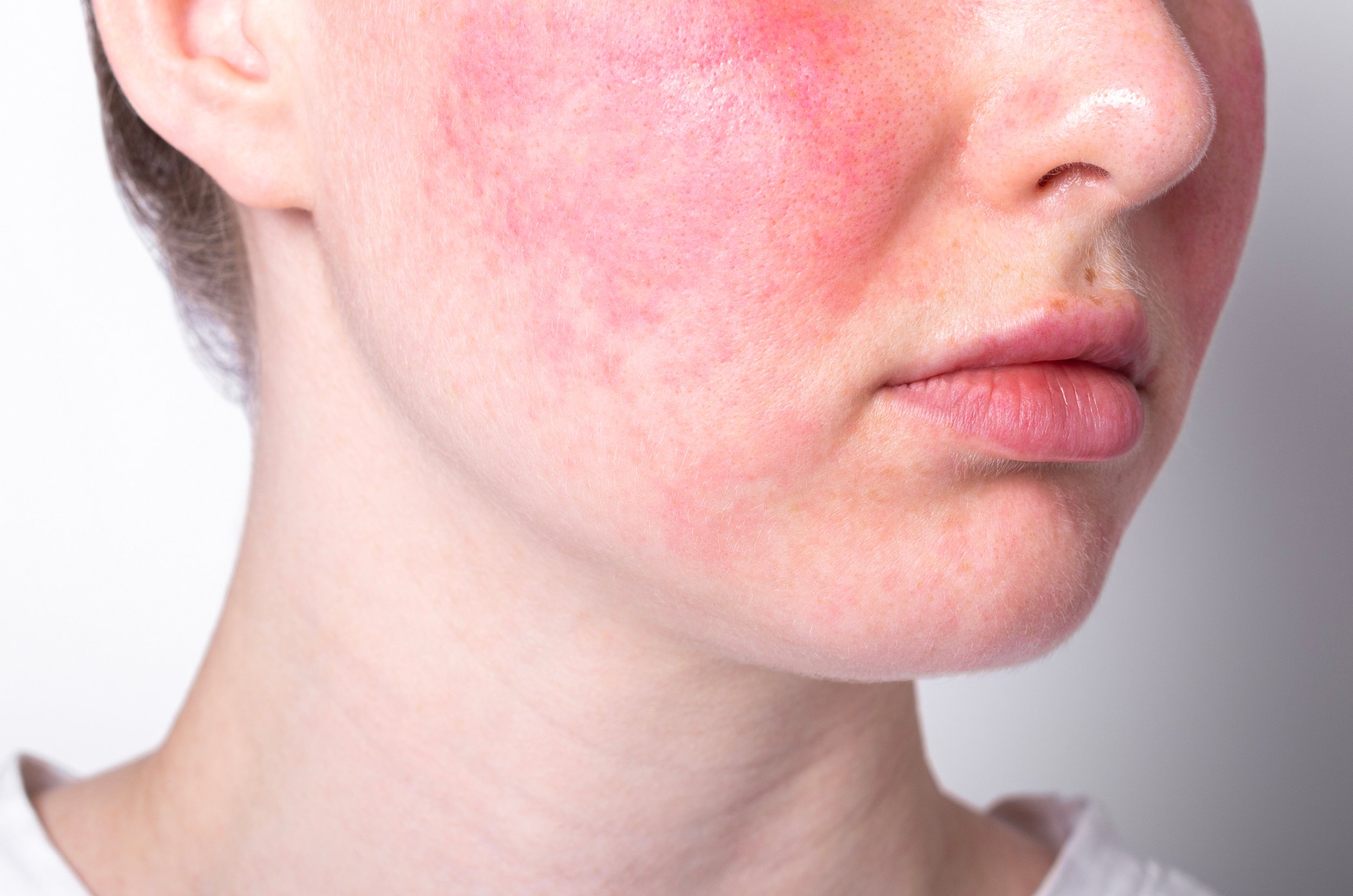
Rosacea is a chronic skin condition that commonly affects the central areas of the face, including the cheeks, nose, chin, and forehead. It is often characterised by persistent redness, visible blood vessels, and increased skin sensitivity. While rosacea may develop gradually, symptoms can vary between individuals and may include periods of flare-ups and remission.
At Brisbane West Dermatology, our specialist dermatologists assess and manage a wide range of skin conditions, including rosacea. A dermatologist experienced in managing rosacea can help determine the type and severity of rosacea and identify suitable management options based on individual skin concerns.
Signs and Symptoms of Rosacea
Rosacea can present in different ways depending on the individual. Some people experience intermittent facial flushing, while others may develop persistent redness or visible blood vessels over time.
Common signs and symptoms of rosacea may include:
• Persistent facial redness, often resembling a sunburn
• Visible blood vessels on the cheeks, nose, or chin
• Inflammatory bumps or pustules that may resemble acne
• Skin sensitivity, burning, or stinging sensations
• Eye irritation, dryness, or redness (ocular rosacea)
Rosacea most commonly affects the central areas of the face. In some cases, the skin on the nose may gradually thicken, leading to a condition known as rhinophyma, which occurs more frequently in men.
If you're looking for a dermatologist for rosacea in Brisbane, we may be able to help. Persistent facial redness or flushing can be assessed by our team to help guide appropriate treatment and ongoing skin management.
Common triggers
In addition to underlying causes, certain factors may trigger or worsen rosacea symptoms. Many individuals notice that their symptoms flare when exposed to specific environmental or lifestyle triggers.
Common rosacea triggers may include:
• Sun exposure
• Hot or cold weather conditions
• Stress or emotional changes
• Alcohol consumption
• Spicy foods or hot drinks
• Certain skincare or cosmetic products
Identifying potential triggers can be an important part of managing rosacea and reducing the likelihood of flare-ups.
Treatment options for Rosacea
Rosacea treatment at Brisbane West Dermatology depends on the type and severity of rosacea and the individual characteristics of the skin. A dermatologist may recommend different management approaches based on clinical assessment.
Treatment options for rosacea may include:
Oral medications
In some cases, oral medications may be considered to assist with managing inflammatory symptoms or more persistent rosacea.
Topical treatments
Prescription topical therapies may be recommended to help manage inflammation and reduce redness associated with rosacea.
Procedural Treatments for Rosacea
Procedural options may be considered for patients with persistent rosacea-related redness and visible blood vessels.
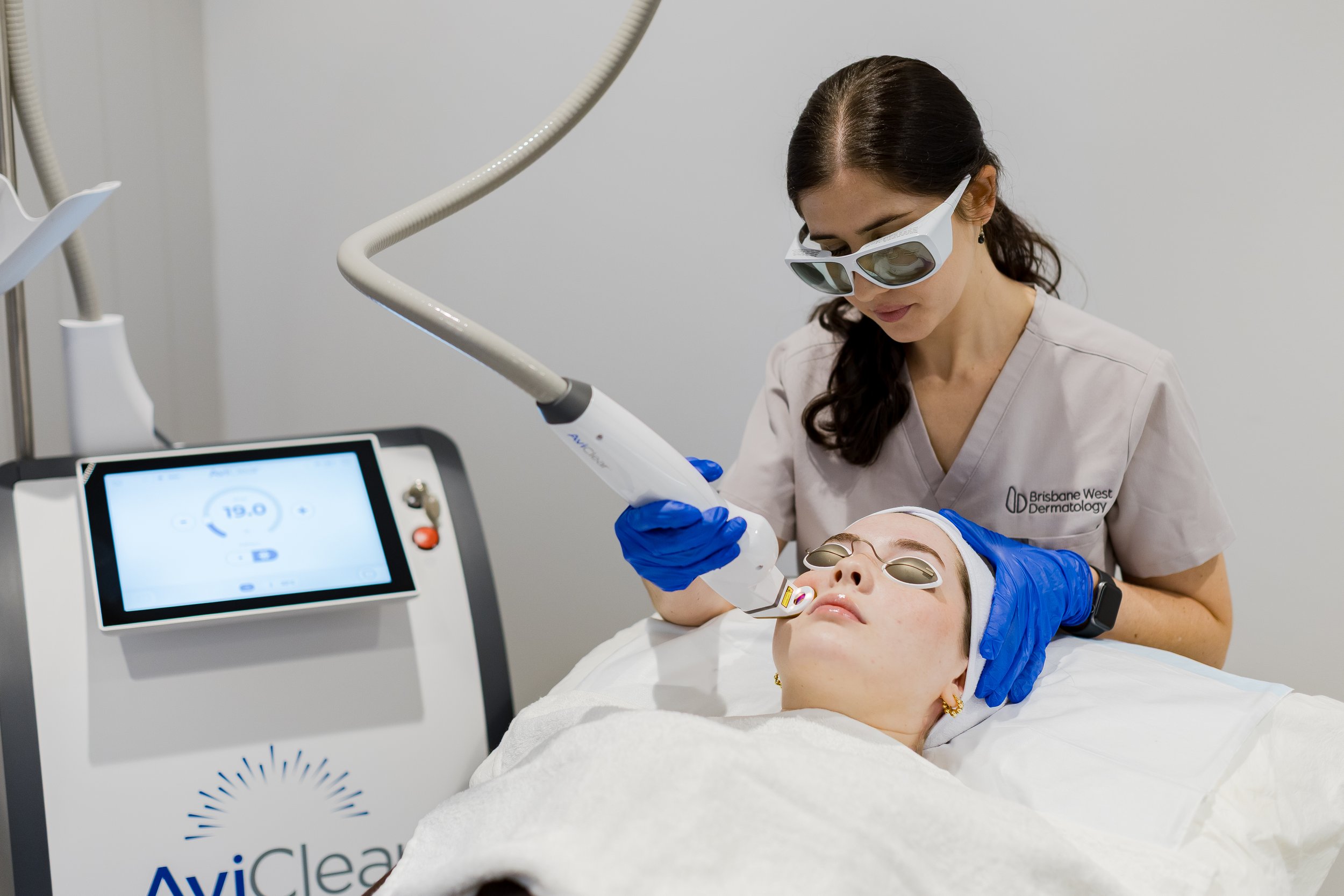
Vascular lasers target superficial vessels to reduce redness, while resurfacing lasers like CO2 can assist in improving phymatous changes.


What causes Rosacea?
The exact cause of rosacea is not fully understood, but research suggests that a combination of factors may contribute to the condition. These may involve genetic predisposition, immune system responses, and increased sensitivity of facial blood vessels.
Several factors may contribute to the development of rosacea, including:
• Genetic influences or family history
• Increased reactivity of facial blood vessels
• Immune system responses affecting the skin
• Environmental and lifestyle influences
Because rosacea can present differently from person to person, dermatology assessment can help determine the features of the condition and guide suitable management strategies.
What to expect during a dermatology consultation
During a consultation at Brisbane West Dermatology, a dermatologist will assess your skin and review your medical history to better understand the features of rosacea.
The consultation may include:
• Examination of facial redness, blood vessels, and skin changes
• Discussion of current skincare routines and previous treatments
• Identification of potential triggers or contributing factors
• Development of an individualised management plan
Why Some Treatments Are Not Listed
Rosacea treatment varies depending on the type and severity of symptoms. Australian advertising regulations for health services set by the Therapeutic Goods Administration (TGA) and the Australian Health Practitioner Regulation Agency (AHPRA) restrict how certain prescription medicines and treatments can be promoted publicly. As a result, not all rosacea treatment options can be listed on this page.
Why Choose Brisbane West Dermatology
Brisbane West Dermatology is a specialist practice offering medical, surgical, and laser dermatology services. Our experienced team works collaboratively to deliver personalised, evidence-based care for a wide range of skin conditions.
Individuals searching for rosacea treatment in Brisbane may attend for comprehensive assessment and tailored management. We prioritise accurate diagnosis, patient education, and long-term skin health, with care provided for both adult and paediatric patients.
With a strong focus on clinical expertise and patient-centred care, Brisbane West Dermatology aims to provide a supportive environment where patients feel informed and confident in their dermatology care.
Frequently Asked Questions
-
Rosacea may be influenced by several factors including genetics, immune responses, environmental triggers, and increased sensitivity of facial blood vessels.
-
If you’re looking for a rosacea dermatologist in Brisbane as you’re experiencing facial redness, flushing, or visible blood vessels that persist or worsen, it may be helpful to seek assessment.
-
We offer a range of dermatology options that may help reduce the appearance of redness and improve skin comfort. A dermatologist can assess your skin and recommend a suitable management approach based on your individual concerns.
-
If you're searching for rosacea laser treatment in Brisbane, we offer laser treatments that can be an effective option for patients with rosacea. A dermatologist can assess your skin and determine what treatments may be appropriate.
Book a Consultation
For individuals searching for rosacea treatment in Brisbane, booking a consultation with a dermatologist is an important first step in assessing the skin and discussing appropriate management options.
Brisbane West Dermatology provides rosacea treatments in Brisbane through personalised consultations focused on understanding your skin and supporting long-term skin health.

Disclaimer
All medical treatments carry risks. Results vary between individuals. Prescription-only medicines can only be provided following a consultation with a registered medical practitioner. Your dermatologist will explain potential risks, side effects, and suitability during your consultation.