
Psoriasis Treatment

Psoriasis is a chronic inflammatory skin condition that can cause red, scaly patches on the skin. These patches may be itchy, dry, or uncomfortable and can appear on different areas of the body, including the scalp, elbows, knees, and lower back. Psoriasis develops when the immune system accelerates the production of skin cells, leading to a build-up of cells on the skin’s surface.
At Brisbane West Dermatology, our dermatologists assess and manage a range of skin conditions, including psoriasis. A consultation with a dermatologist can help determine the type and severity of psoriasis and identify suitable management options based on your individual skin concerns.
Signs and Symptoms of Psoriasis
Psoriasis can vary in appearance and severity depending on the individual and the type of psoriasis present. Some people may experience mild patches of irritated skin, while others may develop more widespread symptoms.
Common signs and symptoms of psoriasis may include:
• Red patches of skin covered with silvery scales
• Dry or cracked skin that may bleed
• Itching, burning, or soreness in affected areas
• Thickened or ridged nails
• Scaly patches on the scalp
Psoriasis may affect different areas of the body and can fluctuate over time, with periods of flare-ups followed by times when symptoms improve.
If skin changes persist or worsen, assessment by a dermatologist experienced in managing psoriasis may help guide appropriate management options.
Treatment options aim to manage the condition and reduce flare-ups, often involving topical treatments, phototherapy, and systemic medications. We ensure you understand your condition and the available treatment options, helping you manage psoriasis effectively and improve your quality of life.
Common Triggers
In addition to underlying causes, certain factors may trigger or worsen psoriasis symptoms.
Common triggers may include:
• Stress or emotional changes
• Skin injury or irritation
• Infections such as throat infections
• Certain medications
• Cold or dry weather conditions
Understanding potential triggers may help support long-term management of psoriasis and reduce the likelihood of flare-ups.
Treatment Options for Psoriasis
Psoriasis treatment depends on the type and severity of psoriasis and the individual characteristics of the patient. A dermatologist may recommend different management approaches based on clinical assessment.
Treatment options for psoriasis may include:
Topical treatments
Prescription topical treatments may be recommended to help manage inflammation and reduce scaling on the skin.
Systemic medications
For individuals with more persistent or widespread psoriasis, systemic medications may be considered as part of a treatment plan.
Phototherapy
In some cases, narrowband UVB phototherapy may be considered to help manage psoriasis symptoms.
Management plans are individualised and may involve a combination of treatments over time.


What Causes Psoriasis?
Psoriasis is considered an autoimmune condition. It occurs when the immune system sends signals that speed up the growth cycle of skin cells. This rapid turnover causes skin cells to build up on the surface of the skin, forming the characteristic plaques associated with psoriasis.
The exact cause of psoriasis is not fully understood, but several factors may contribute to its development.
Possible contributing factors include:
• Genetic predisposition or family history
• Immune system responses affecting skin cell production
• Environmental influences
• Certain infections
Because psoriasis can present differently between individuals, a specialist dermatology assessment can help determine the features of the condition and guide suitable management approaches.
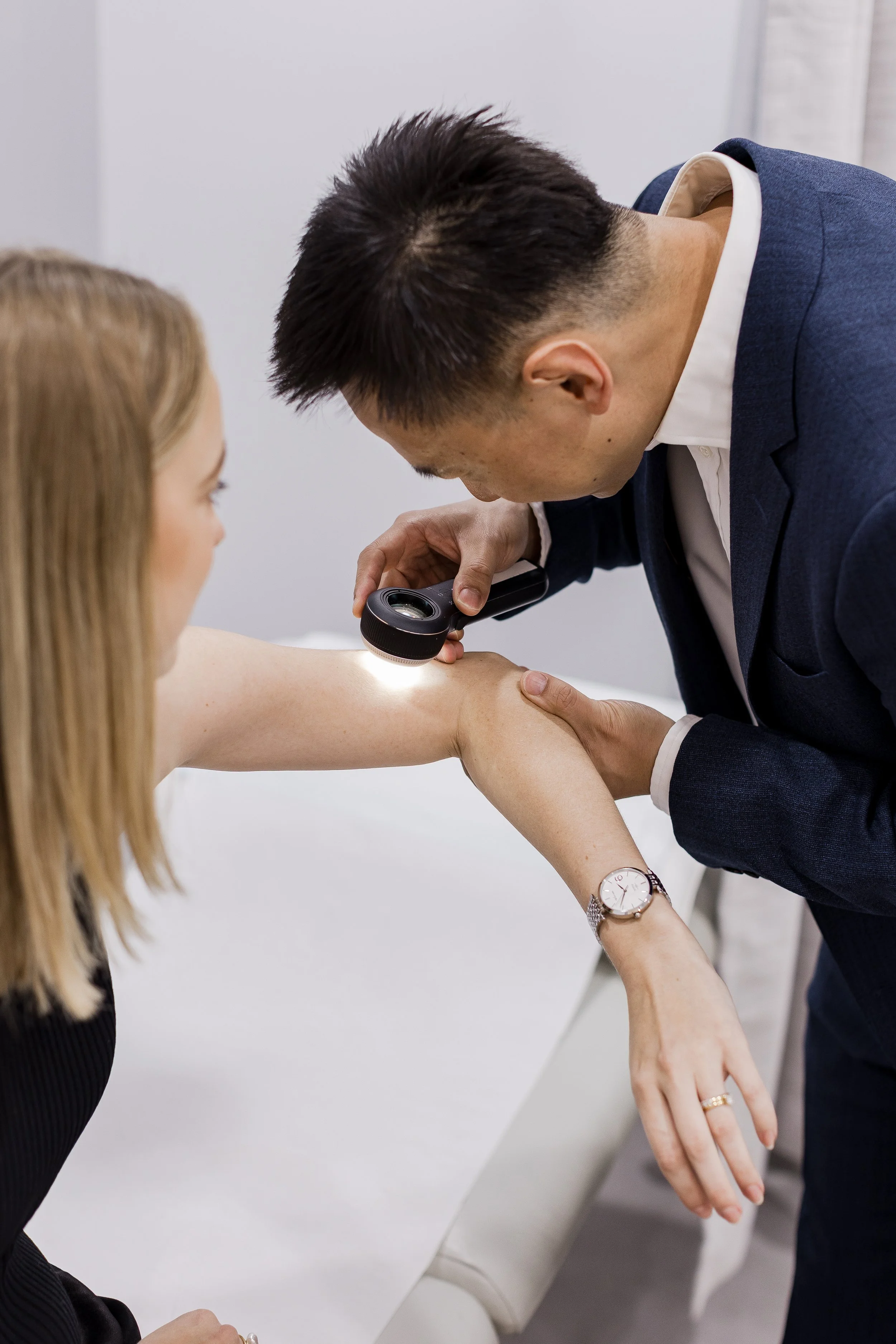
What to expect during a dermatology consultation
During a consultation at Brisbane West Dermatology, a dermatologist will assess your skin and review your medical history to better understand your psoriasis symptoms.
The consultation may include:
• Examination of affected areas of skin
• Discussion of symptoms and previous treatments
• Identification of potential triggers
• Development of an individualised management plan
For individuals searching for a psoriasis clinic in Brisbane, our consultations focus on assessing the skin, identifying contributing factors, and discussing appropriate management options.
Why Some Treatments Are Not Listed
Psoriasis treatment varies depending on the type and severity of the condition. Australian advertising regulations for health services set by the Therapeutic Goods Administration (TGA) and the Australian Health Practitioner Regulation Agency (AHPRA) restrict the promotion of certain prescription medicines and treatments. As a result, not all psoriasis treatment options can be listed on this page.
Why Choose Brisbane West Dermatology
Brisbane West Dermatology is a specialist practice offering medical, surgical, and laser dermatology services. Our experienced team works collaboratively to deliver personalised, evidence-based care for a wide range of skin conditions.
Individuals researching psoriasis treatment may attend Brisbane West Dermatology for a dermatology consultation and assessment. Our team prioritises accurate diagnosis, patient education, and long-term skin health. Our dermatologists have extensive training in medical dermatology and provide care for both adult and paediatric patients.
With a strong focus on clinical expertise and patient-centred care, Brisbane West Dermatology aims to provide a supportive environment where patients feel informed and confident in their dermatology care.
Frequently Asked Questions
-
Psoriasis flare-ups may be influenced by several factors, including stress, infections, skin injuries, certain medications, and environmental changes.
-
While psoriasis is a chronic condition, dermatology treatments may help manage symptoms and reduce flare-ups.
-
If you're searching for a Brisbane psoriasis dermatologist and your symptoms are persistent, worsening, or affecting daily comfort, it may be helpful to seek a clinical assessment.
-
Psoriasis is not contagious and cannot be spread from one person to another.
Book a Consultation
For individuals researching psoriasis treatment in Brisbane, booking a consultation with a dermatologist is an important first step in assessing symptoms and discussing appropriate management options.
Brisbane West Dermatology provides psoriasis treatment in Brisbane through personalised dermatology consultations focused on understanding your skin and supporting long-term skin health.

Disclaimer
All medical treatments carry risks. Results vary between individuals. Prescription-only medicines can only be provided following a consultation with a registered medical practitioner. Your dermatologist will explain potential risks, side effects, and suitability during your consultation.